
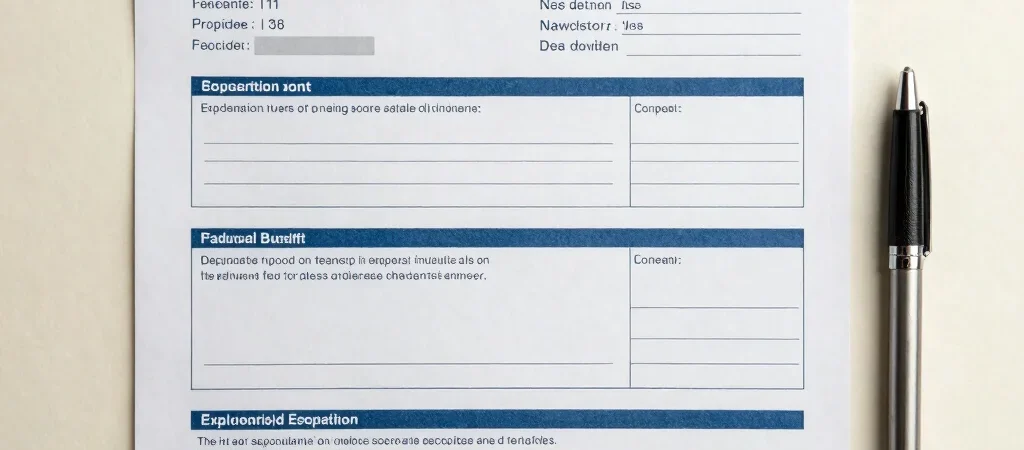
An Explanation of Benefits arrives in the mail or your insurer’s portal, and the “you may owe” line catches your eye. Despite the name, an Explanation of Benefits—often shortened to EOB—is generally a claim summary from the insurer, not a bill from the doctor or facility. It can help you understand how the claim was processed.
Match It To The Visit
Start with the patient, provider, service date, and claim number. Make sure the statement matches care you received, and check whether it covers one appointment or multiple services. If a detail looks unfamiliar, compare it with your appointment records before assuming the claim is wrong.
Follow The Cost Breakdown
An EOB may show the provider’s charge, the amount the plan recognizes for the service, what the plan paid, and what the insurer says may be your responsibility. The labels differ by insurer, so read the notes or codes explaining adjustments and denials. The amount listed as your share may reflect a deductible, copay, coinsurance, or another plan rule.
Then compare the EOB with the provider’s bill, if one arrives. The bill is the provider’s request for payment; the EOB explains the insurer’s handling of the claim. If the amounts do not line up, contact the provider’s billing office and insurer to ask which service or adjustment accounts for the difference.
When A Claim Is Denied
A denial does not always mean the same thing. The EOB should give a reason or code, such as missing information or a service the plan says is not covered under the circumstances. Ask the insurer what the reason means, what documents might help clarify the claim, and how to request a review if you disagree.
Keep the EOB, any provider bill, and notes from calls together. The practical rule is simple: use the EOB to understand the claim, and use the provider’s bill to see what payment is being requested.